Arts and crafts, writing, home and garden, dollhouse and miniatures, pets, and anything else!
Unusual horseshoes
If you collect horseshoes, you may come across some strange ones. There are quite a few variations that were created for different purposes, for hoof therapy, correcting a horse’s movement, or for aesthetic purposes. I am here to share a few from my collection.
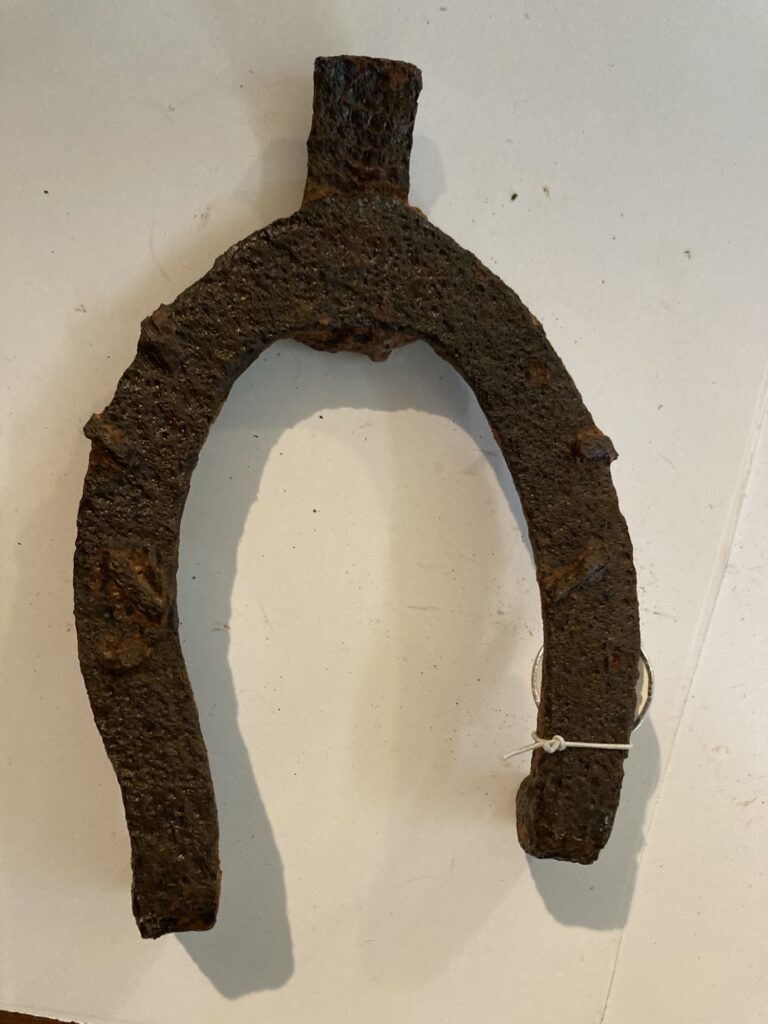
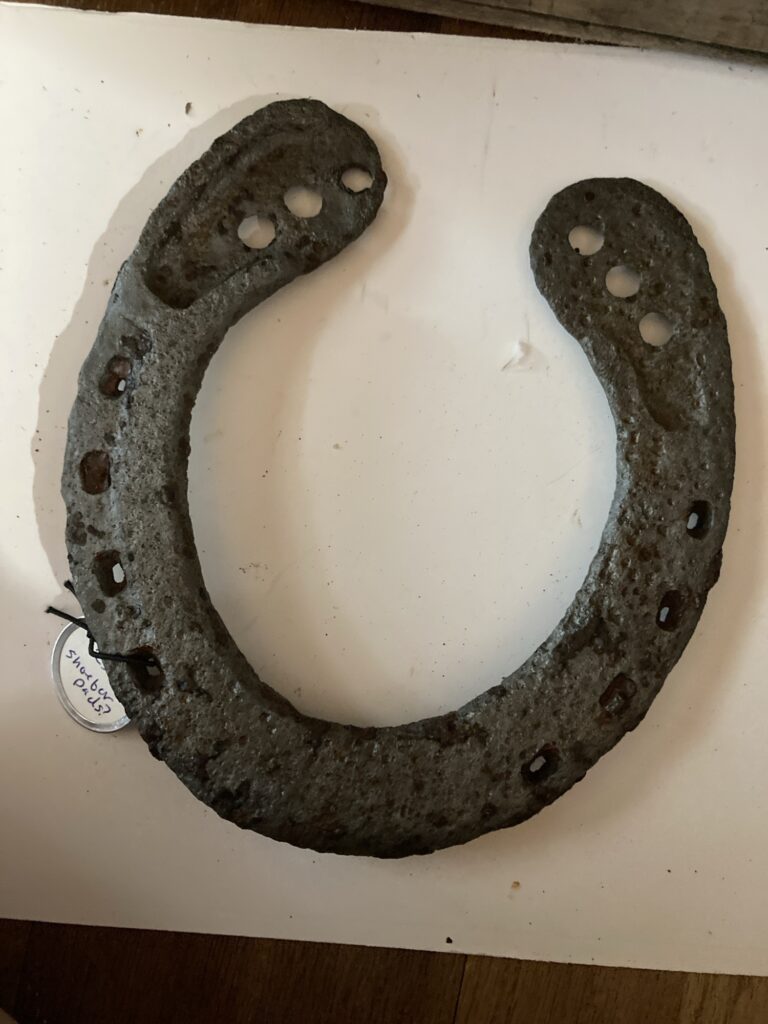
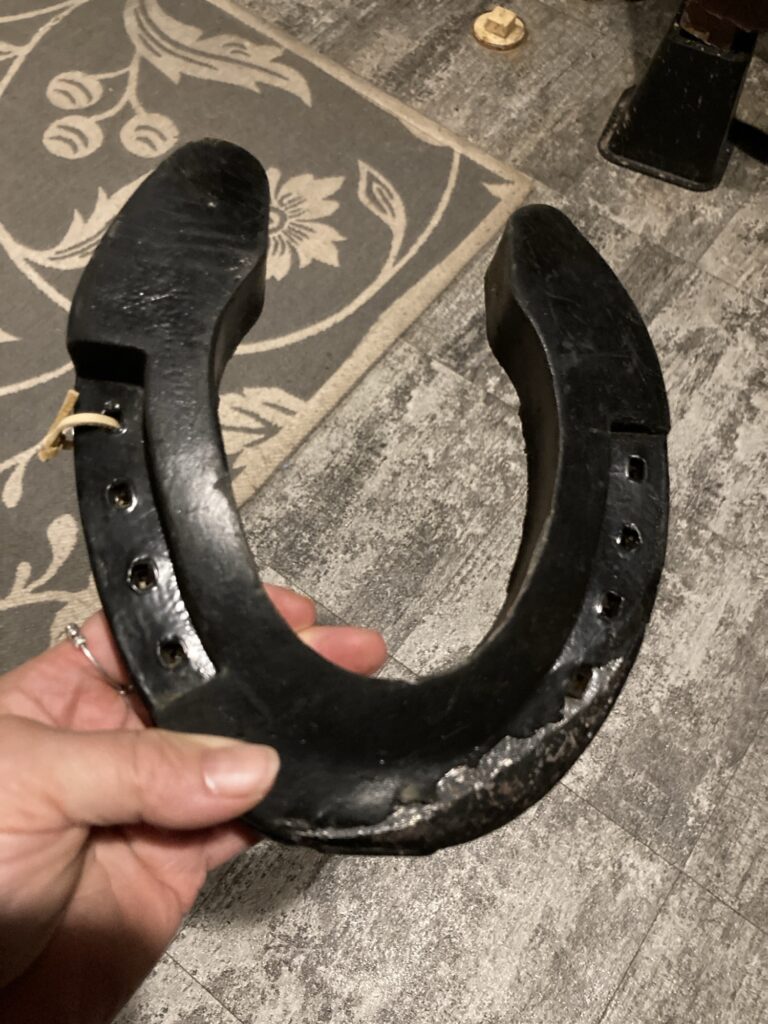
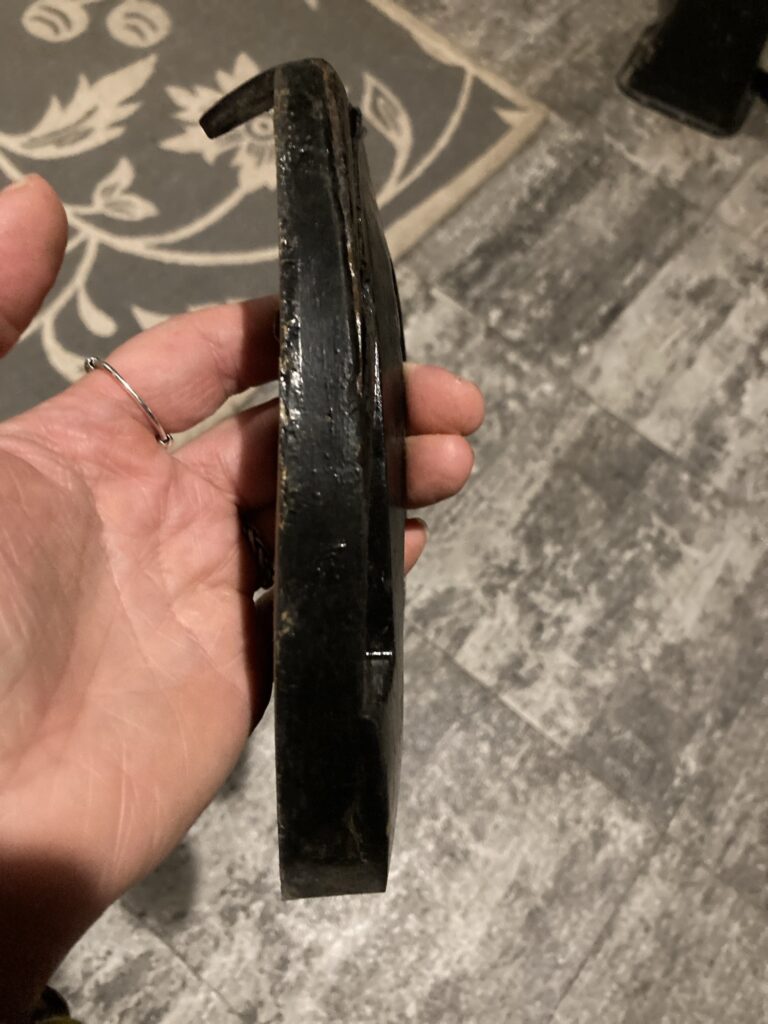
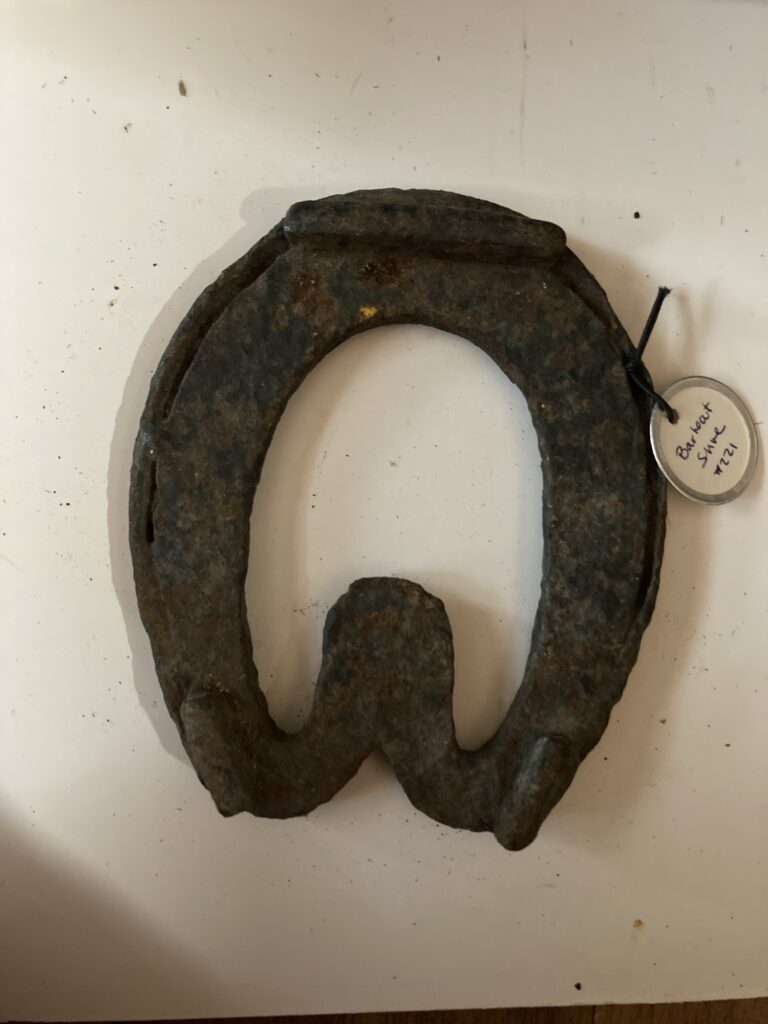
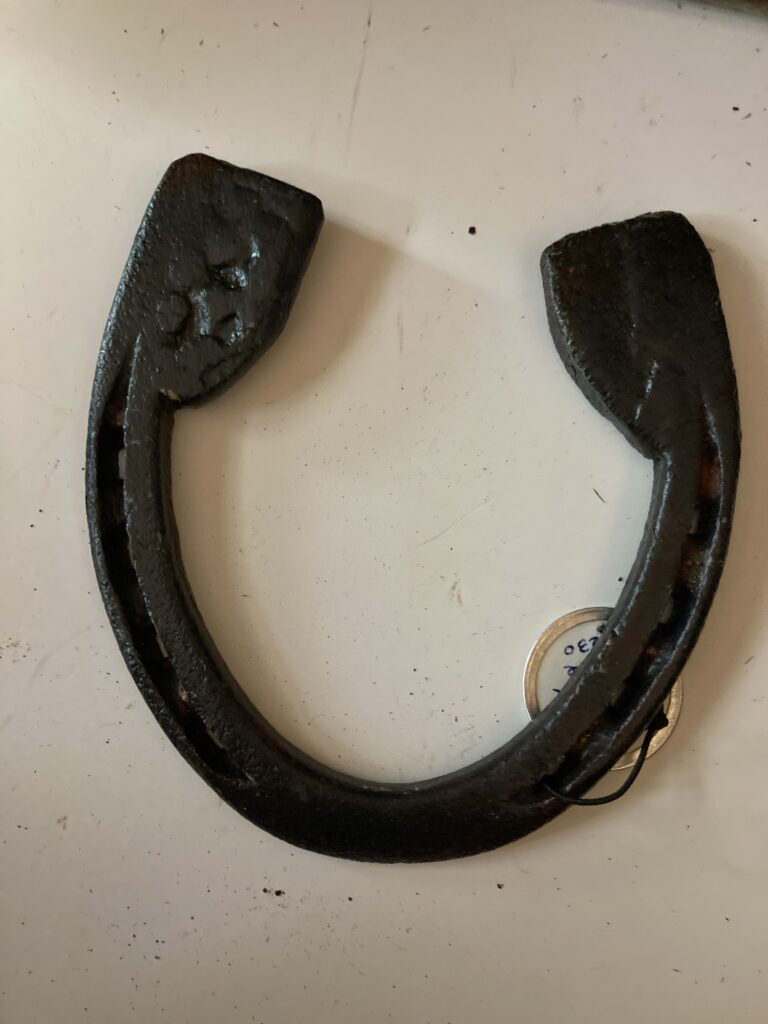
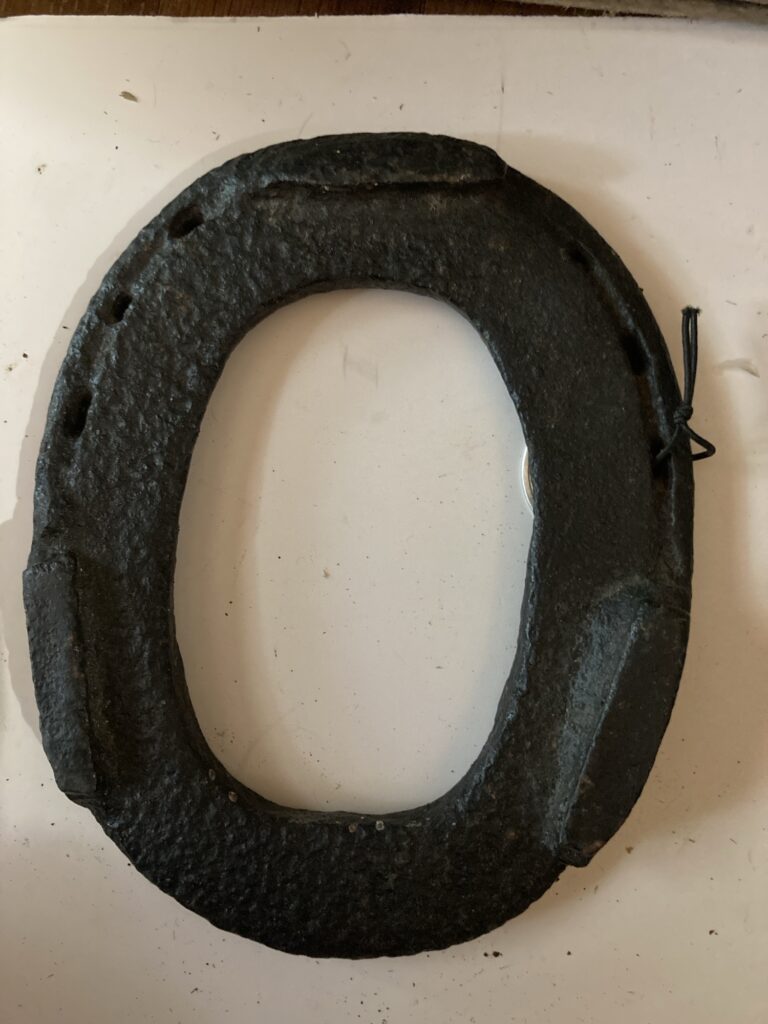
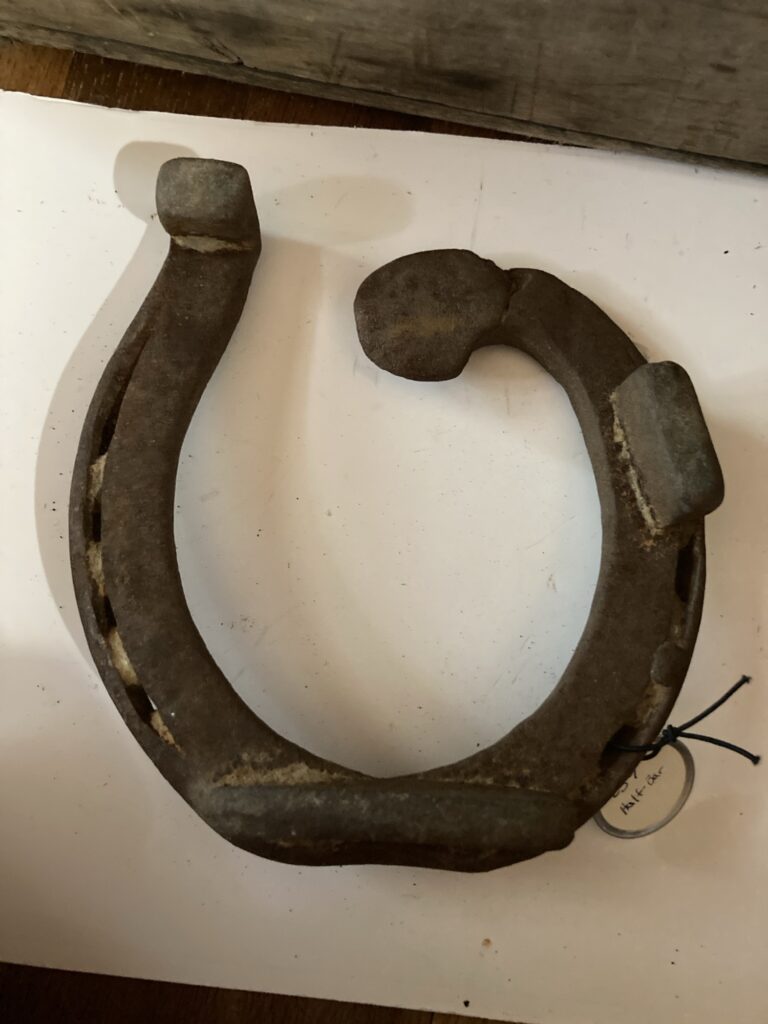
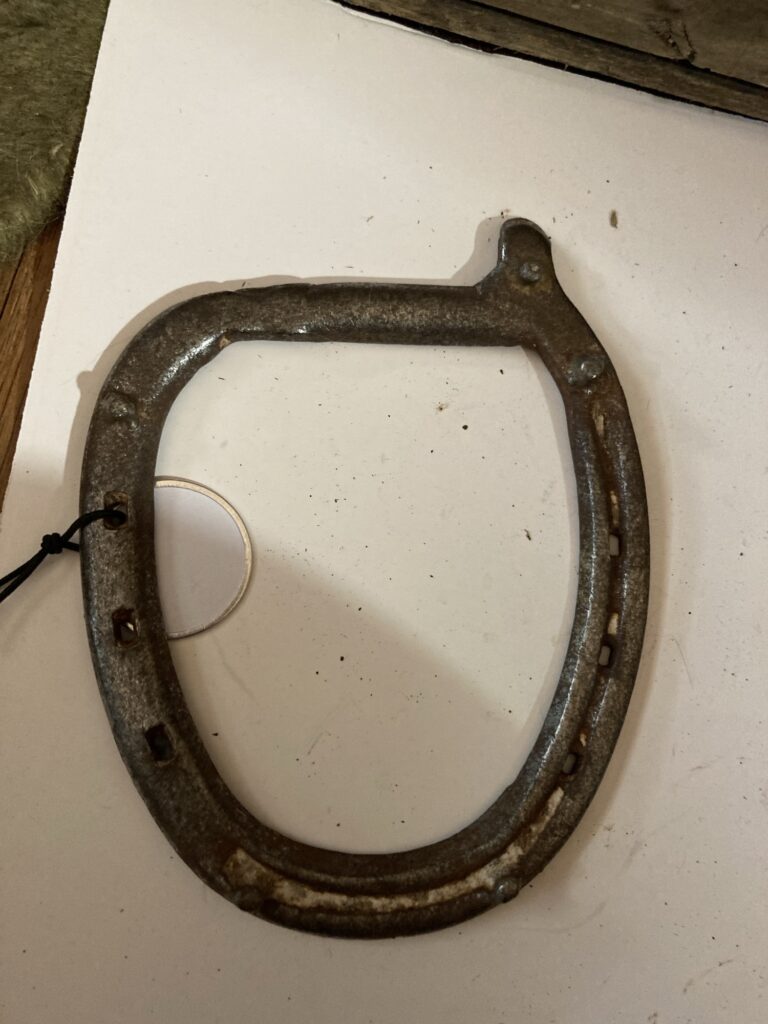
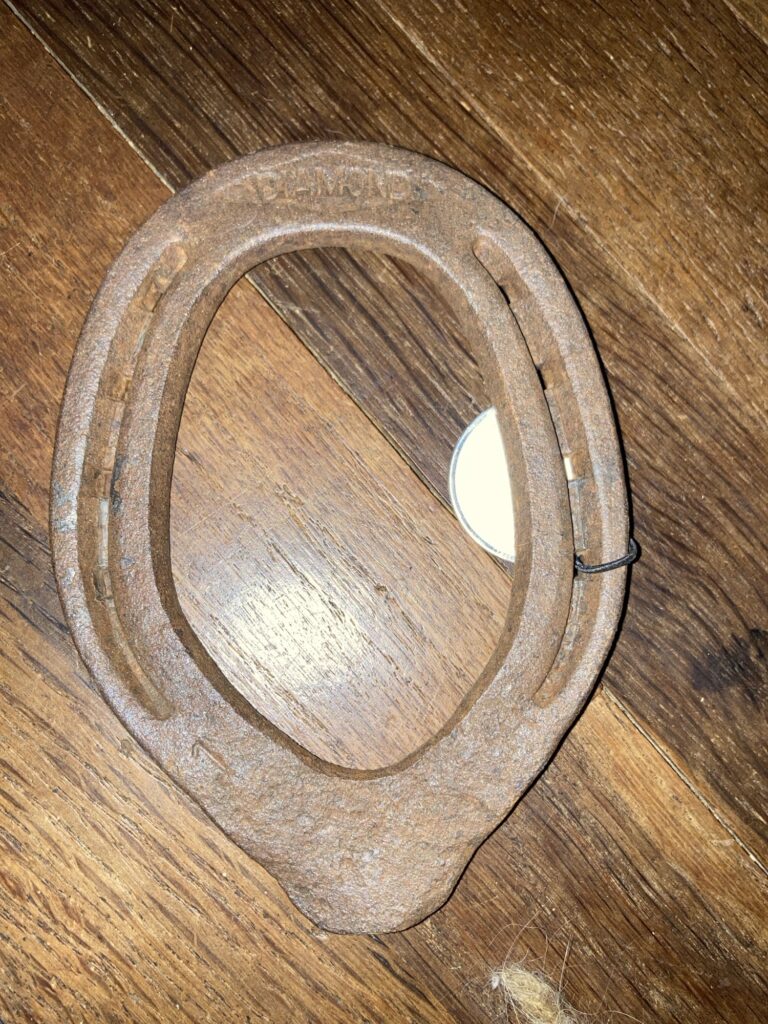
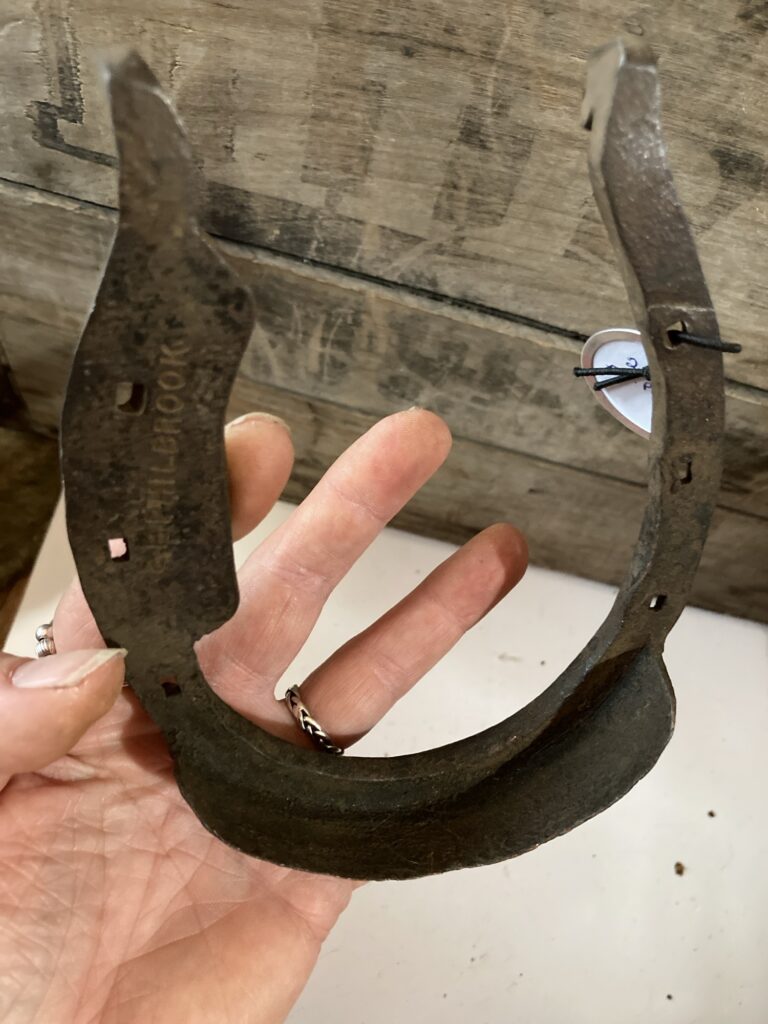
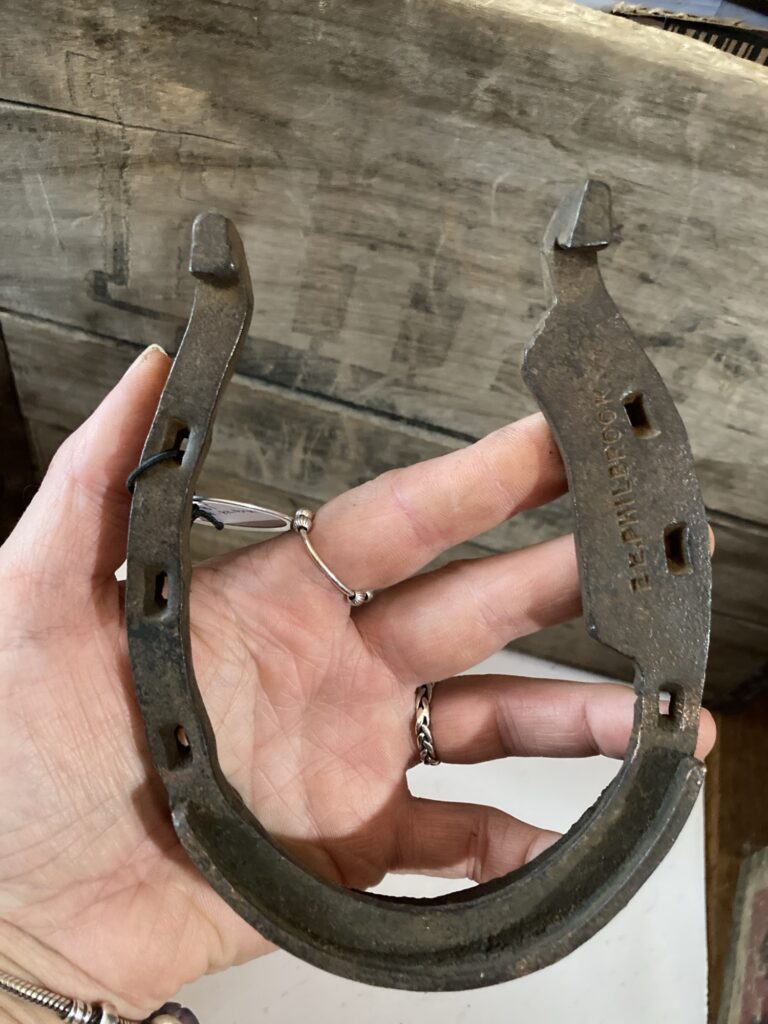
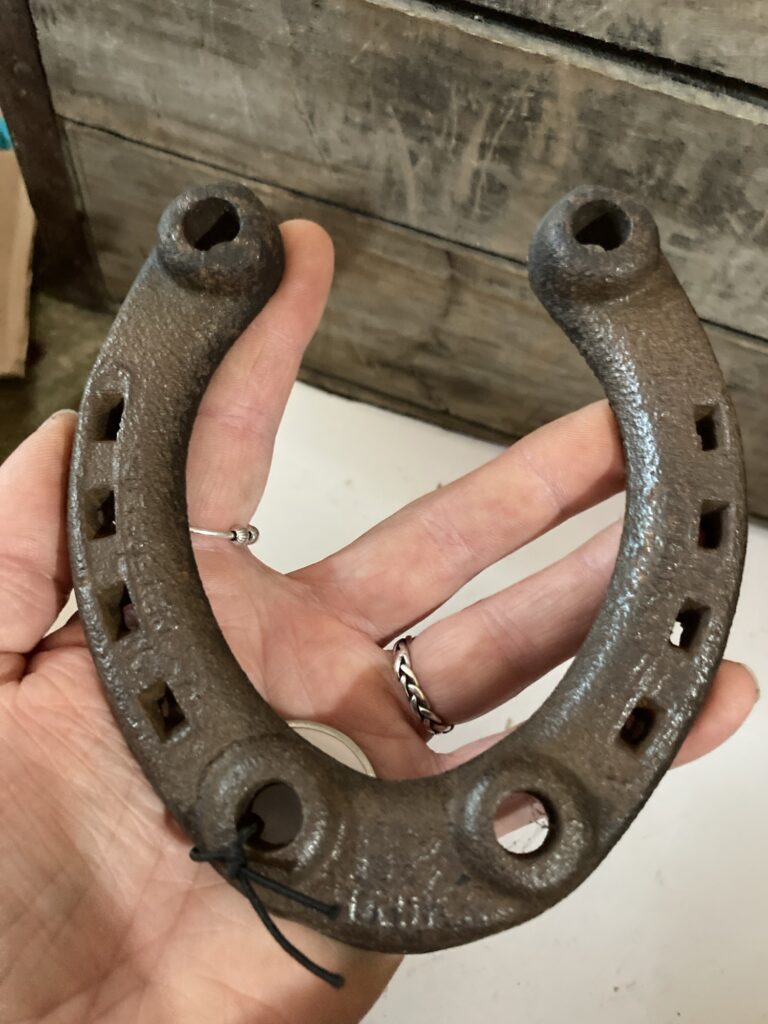
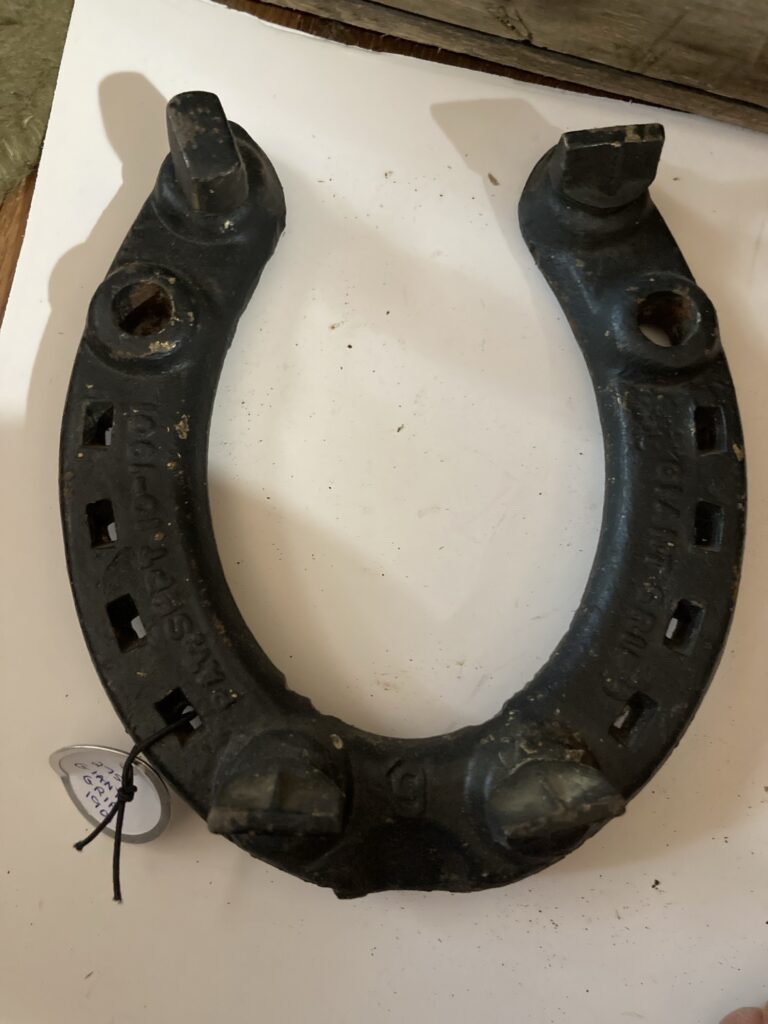
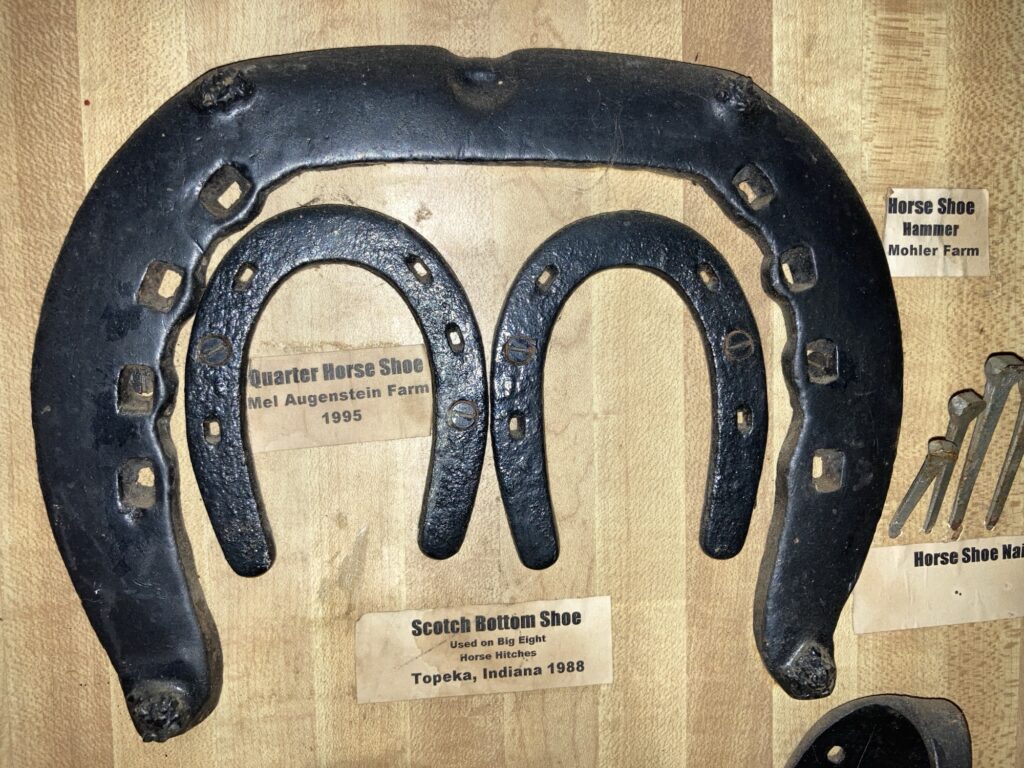
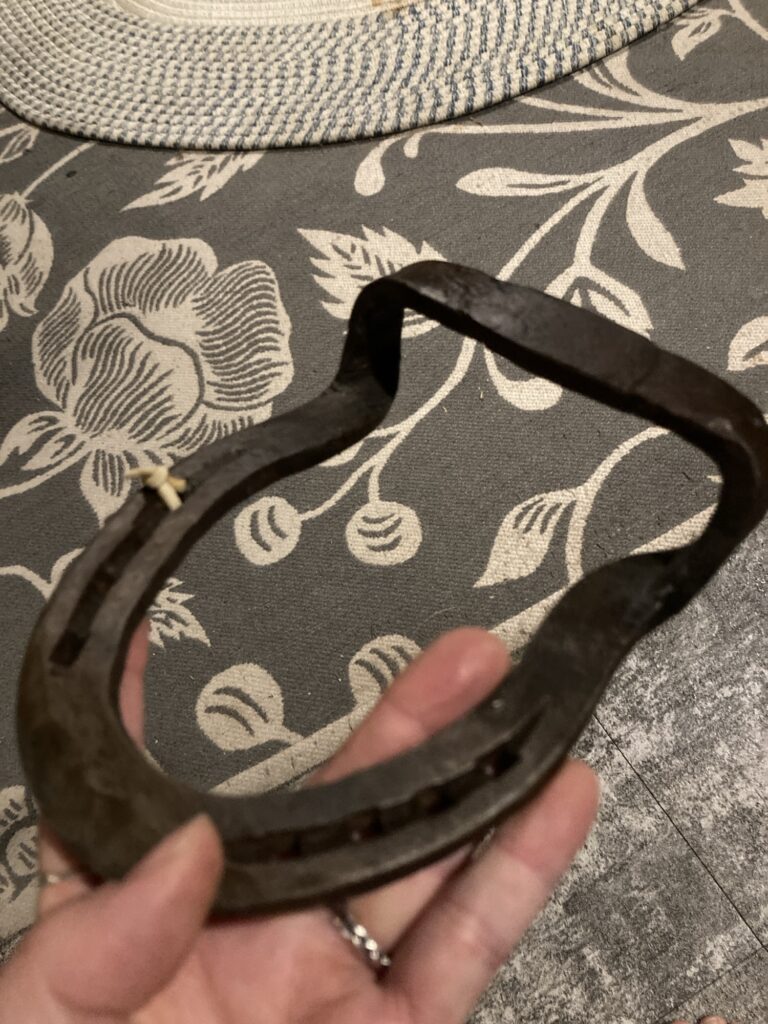
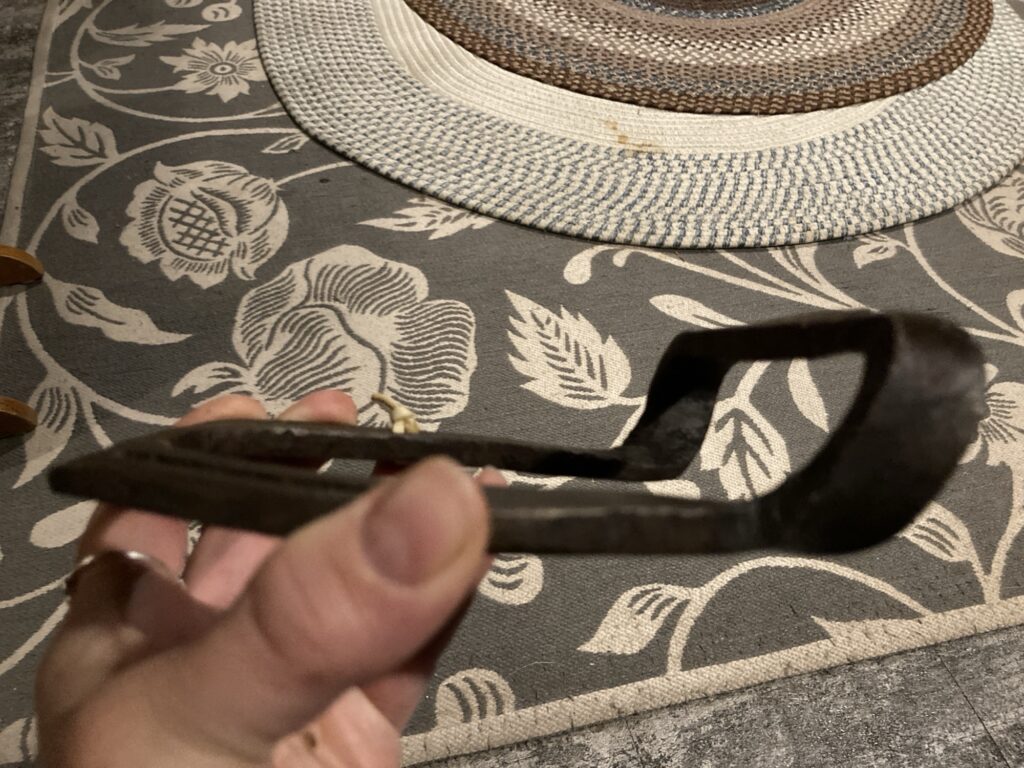
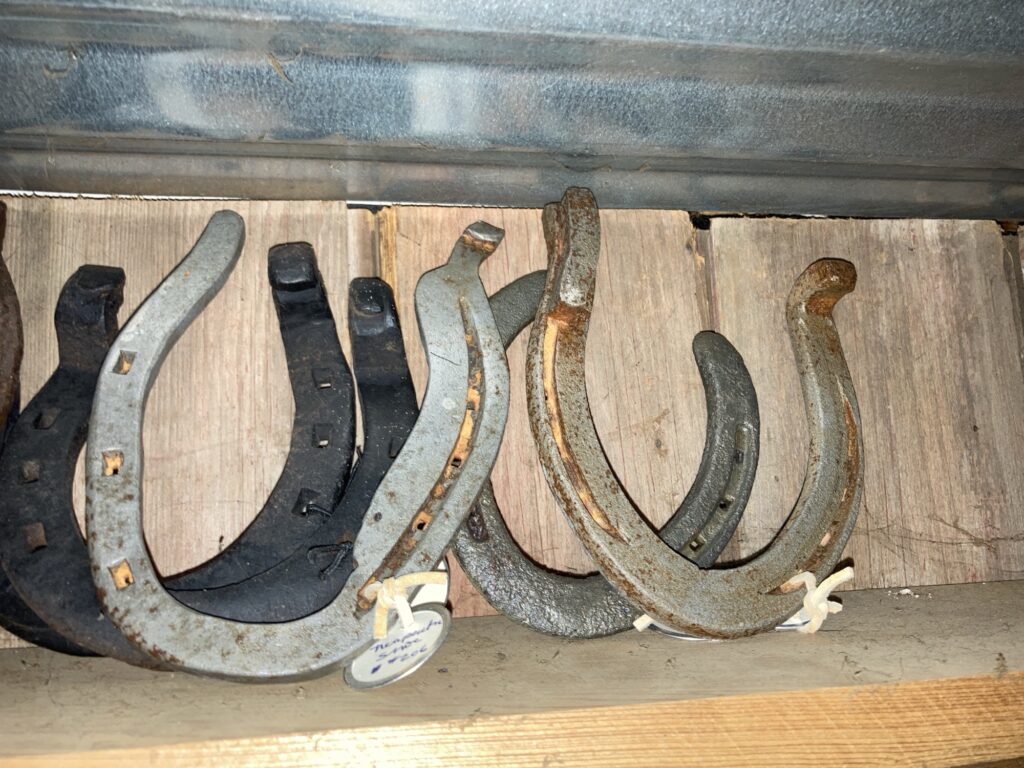
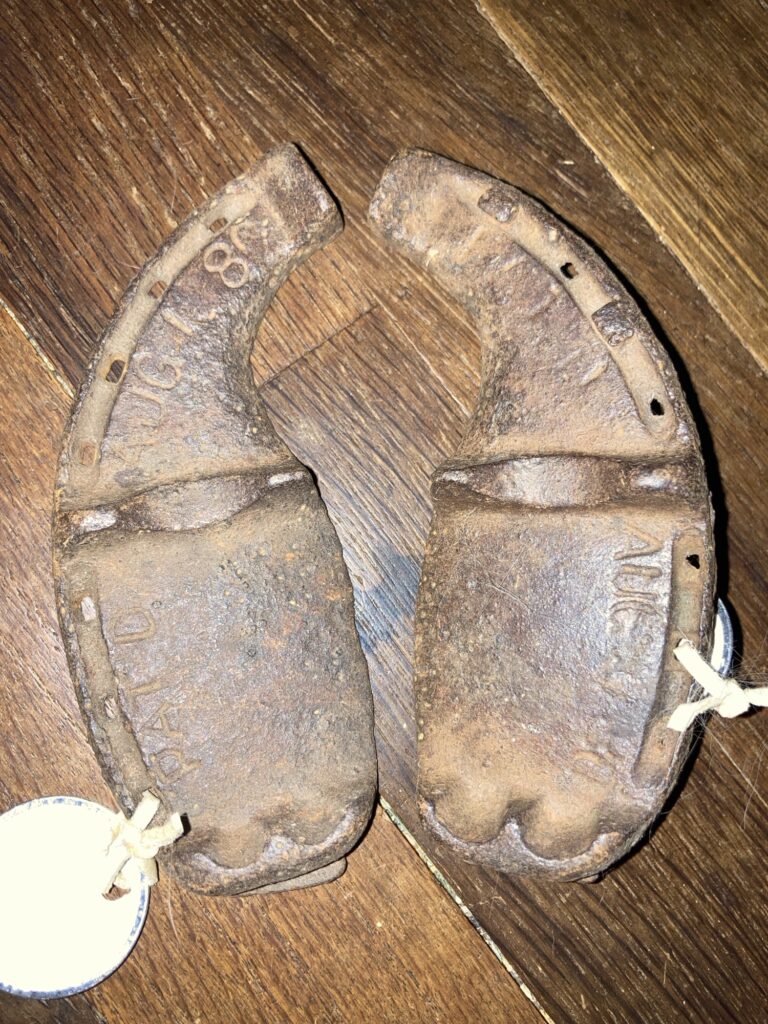
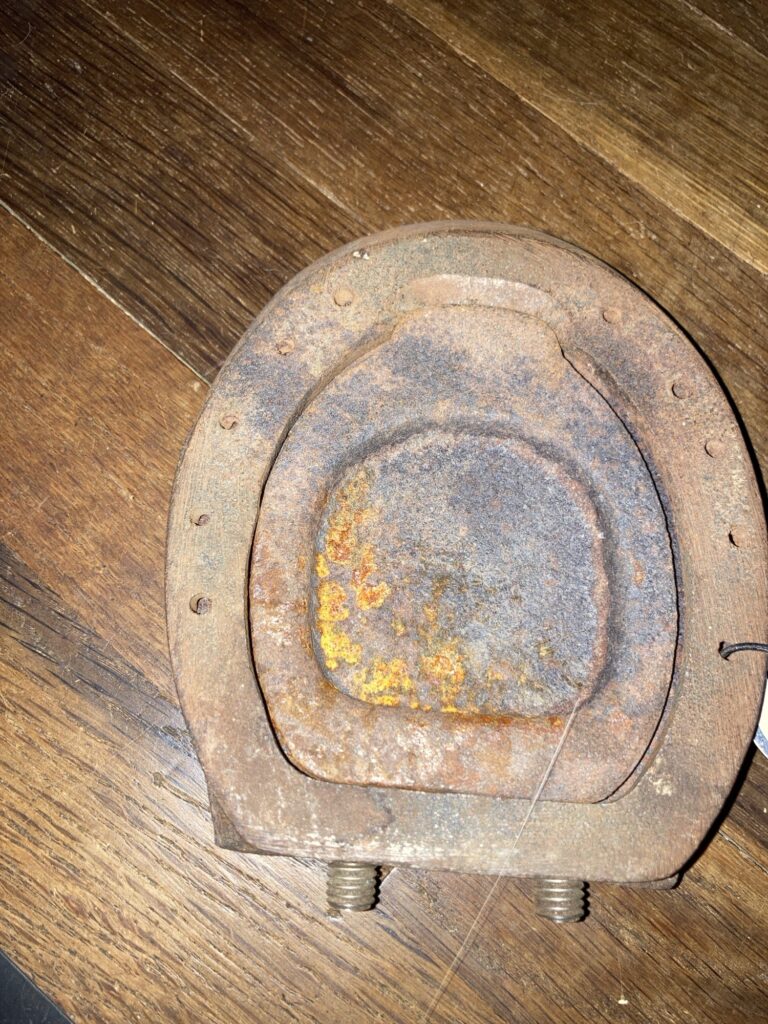
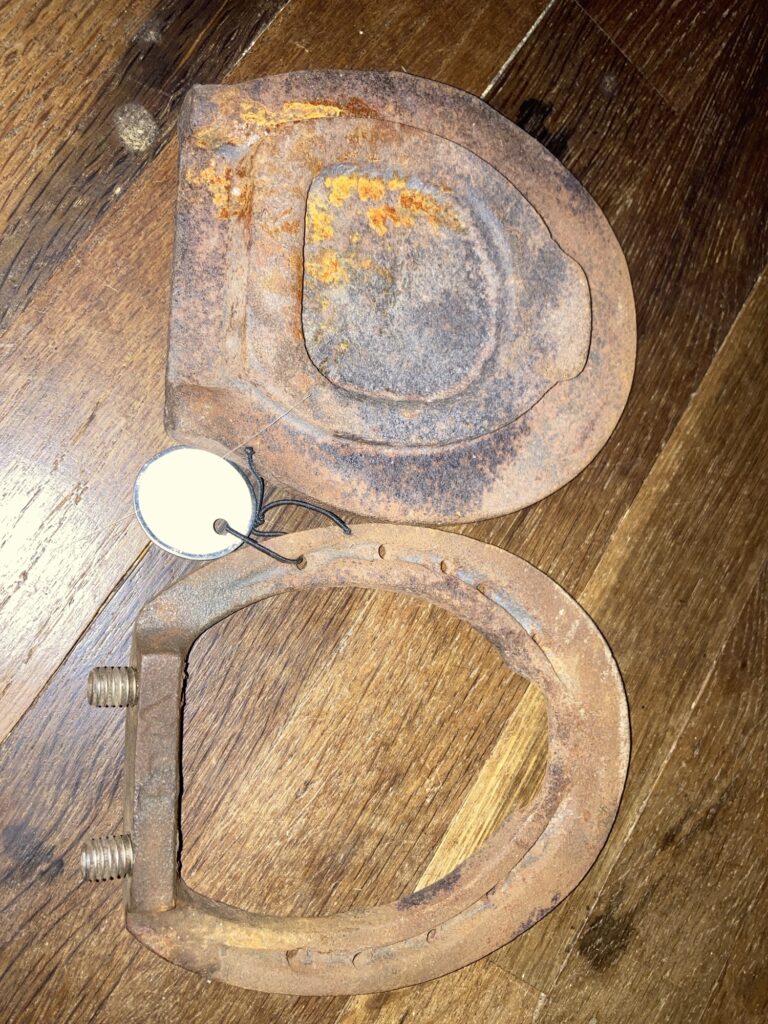
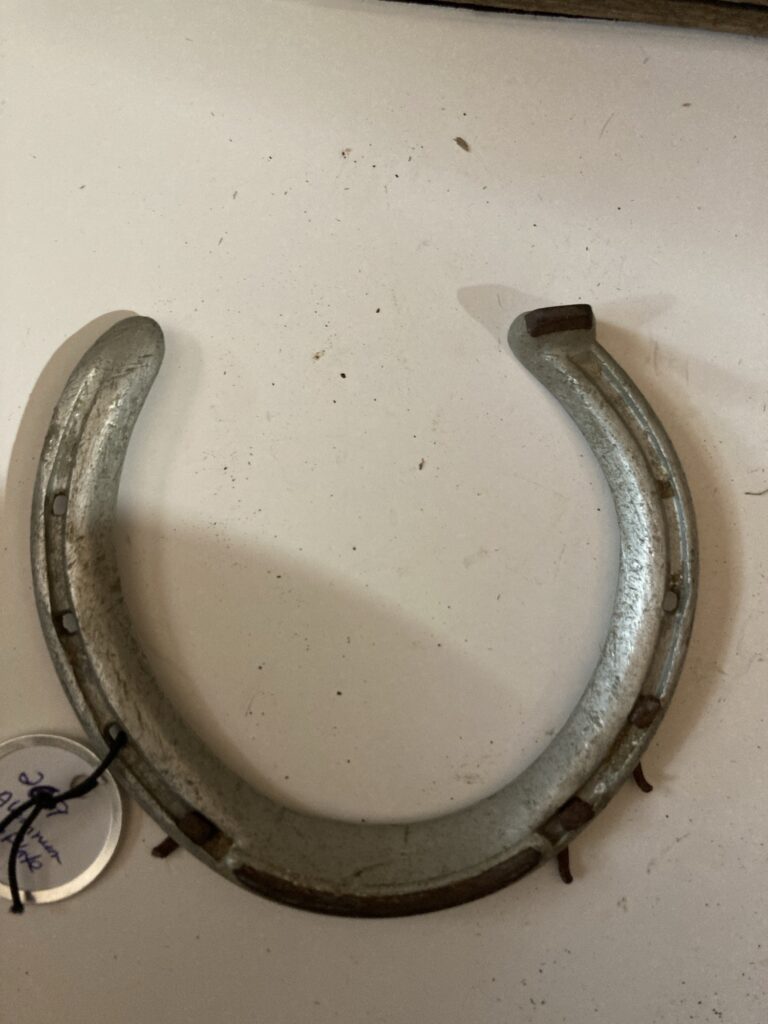
This shoe has an extended toe, which is usually used to treat different tendon issues in horses. This shoe, while looking quite strange, is actually the metal part of a rubber horseshoe. The rubber has been lost for some reason, and would have been used to cushion the foot like a sneaker, protecting the horse from impacts on hard surfaces such as paved roads.This is a runner horseshoe from a carriage horse in Frankenmuth, Michigan. The metal part is embedded in the thick rubber or the shoe. I also have another one that was collected by its previous owner in the 1940’s, so they can be older. A side view. Very thick rubber.This type of horseshoe, a heart bar shoe, is used to treat different lamenesses by relieving pressure on different areas of the hoof. Another odd therapy shoe with hand-made extensions at the heels. Here is another bar shoe. This one is very large—probably a draft horse, and has calkins added to provide traction. This shoe is very odd. It was probably used to treat several different problems on the hoof. Here is another therapeutic bar shoe.Another therapeutic bar shoe. This one has an extension on the heel.This is one of my favorites. There is a piece of metal almost like a long toe clip, plus a wide branch that might add more support to part of the hoof. It has a manufacturer name on it.The other side of the above shoe. it looks to be a ready-made shoe as opposed to handmade. This is a Phoenix Neverslip horseshoe. It was made by the Phoenix horseshoe company, which sold studs that screwed into the large round holes and provided traction in winter. They were popular from about 1880-1940This is a Giant Grip horseshoe. It is very similar, in fact almost identical to the Phoenix Neverslip, and takes identical studs that screw in. This shoe was patented in 1901, when the company started.This is an ENORMOUS Scotch bottom draft horse shoe. The smaller shoes displayed inside of it are pony sized (the label says quarter horses but i am guessing they must have been yearlings as they are smaller than normal). Scotch bottom shoes are slightly larger than the hoof, and are used to widen the support of the hoof, alter their gate, and absorb shock.A patten bar shoe. It is used to rest a limb after a tendon injury. A side view of the patten bar shoe. The raised part actually touches the ground, like the heel of a high heeled shoe, so i am holding it upside down. Two more therapy shoes. These are ox shoes. Each cow hoof gets 2 shoes, as they have cloven hooves. This particular pair was patented in 1880. Not a horseshoe, but still pretty cool.This is an odd shoe that I haven’t seen before. It is divided into to sections. That screw together.They are definitely horseshoes, but i am not sure on their purpose. The lighter section obviously gets nailed on the hoof like a regular shoe, and the other section, which is much heavier, easily screws onto it. My best guess is that they are used to weight the feet, possibly to overemphasize the horse’s gait (which I don’t agree with). Another fuess is that they could be used to medicate the hoof, but i doubt it as they a very heavy.This is an aluminum horseshoe, usually for racing.
As you can see there are many different shoes out there. Most farrier books on horseshoeing will have examples of different types of shoes and what they are used for. Also check the internet. I feel that i have only just scratched the surface of what is available.